


Types of Pheromones: Impact on Attractiveness

Almost 90 percent of people in Central Europe believe that scent plays a key role in first impressions. In dynamic social life, choosing a perfume with pheromones becomes a secret weapon for attraction and self-confidence. This article reveals how pheromones work, how they influence our perception, and how you can consciously use them for a stronger personal impact.
Contents
- What Pheromones Are and How They Work
- Main Types of Pheromones in Humans
- Pheromones in Perfumery and Real-World Applications
- Risks, Myths, and Common Misconceptions
- Comparison with Other Fragrance Ingredients
Key Takeaways
| Point | Details |
|---|---|
| Pheromones are chemical signaling compounds | They transmit information between individuals of the same species. |
| Main types of pheromones in humans | Include sexual, alarm, appeasing, and territorial pheromones with various functions. |
| Applications of pheromone perfumes | They enhance personal attractiveness but cannot replace social skills. |
| Myths about pheromones | Pheromones do not act as an instant love elixir and are not a universal solution for romantic challenges. |
What Pheromones Are and How They Work
Pheromones are chemical signaling compounds that organisms release outside their bodies for communication and to trigger specific behavioral or physiological responses chemical signaling substances. They function as invisible chemical messengers that transmit important information between individuals of the same biological species, without requiring direct physical contact.
In the animal kingdom, pheromones have numerous specific functions—from sexual attraction and territorial marking to warning of danger. In humans, their role is more complex and scientifically less understood. They are released through sweat glands and perceived through the olfactory system, potentially triggering subconscious hormonal and emotional reactions.
Scientific research shows that human pheromones influence social perception and interpersonal attraction, although the mechanism is not fully clear. human pheromonal responses can cause changes in mood, stress levels, and even sexual arousal. Different types of pheromones convey different messages—some signal sexual maturity, others emotional closeness or parental bonding.
Pro tip: Learn more about your personal pheromone impact by paying attention to your diet, hygiene, and overall health, which directly influence your chemical profile.
Main Types of Pheromones in Humans
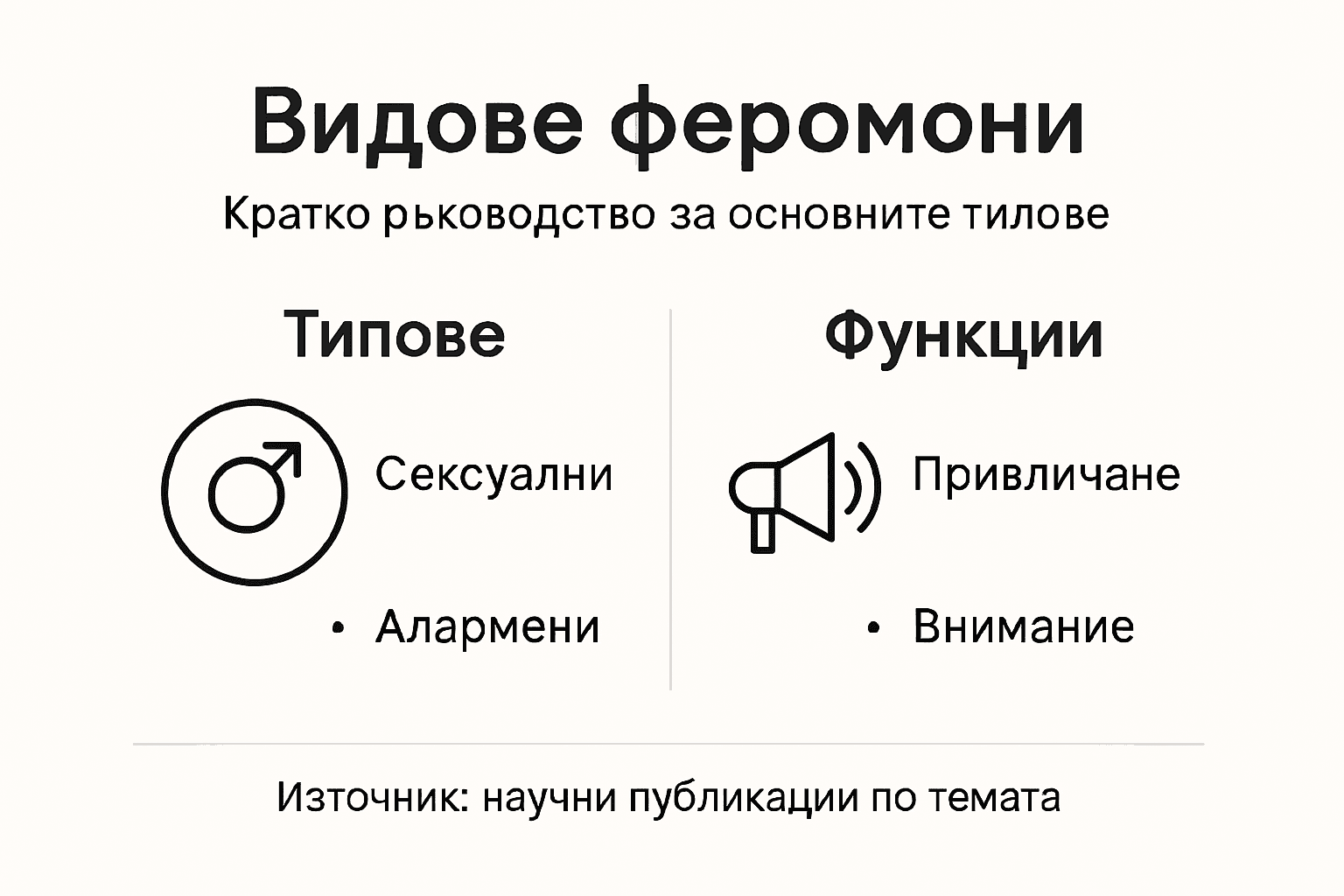
In the human world, there are various types of pheromones, each performing a specific communicative and biological function. various human pheromone types reveal the complex nature of our chemical communication.
The first main type is sex pheromones, which play a key role in sexual attraction. They are released through sweat glands and trigger unconscious sexual desire and physical attraction. These pheromones contain information about genetic compatibility, sexual maturity, and reproductive potential.

The second significant type is alarm pheromones, which are released during stress or danger. They cause increased vigilance and mobilize defensive reactions. pheromone signaling mechanisms can cause an immediate change in the behavior and emotional state of people nearby.
Two more important types are appeasing pheromones, which create a sense of security and closeness, and territorial pheromones, which mark personal boundaries and hierarchical relationships. They play an essential role in social interaction and communication.
Pro tip: Maintain good personal hygiene and a healthy lifestyle to optimize the natural release of pheromones and enhance your social impact.
Here is a summary of the main types of human pheromones and their roles:
| Pheromone Type | Main Function | Type of Message Transmitted |
|---|---|---|
| Sexual | Creates attraction and sexual desire | Indicates sexual maturity and compatibility |
| Alarm | Provokes vigilance and defense | Warns of stress and danger |
| Appeasing | Promotes trust and calm | Creates a sense of security and closeness |
| Territorial | Marks personal boundaries | Indicates social status and belonging |
Pheromones in Perfumery and Real-World Applications
Pheromone perfumes represent an innovative approach to personal attractiveness, combining classical perfumery with modern scientific discoveries. perfumes with pheromone ingredients are an attempt to enhance natural human attraction through scientifically developed formulas.
These specialized products contain synthetic pheromone components, carefully integrated into traditional perfume compositions. They are designed to amplify subconscious signals of attractiveness, combining pleasant scents with chemical compounds that can trigger unconscious emotional reactions.
There are several key practical applications for pheromone perfumes. They can be used in social situations to boost confidence, improve initial impressions during business meetings, or in a romantic context. However, it's important to understand that their effect is not guaranteed and highly depends on individual biochemistry.
Scientific research continues to explore the potential of these products, with results remaining variable and debatable. Experts recommend viewing pheromone perfumes as a supplementary tool, rather than a magical solution for social attraction.
Pro tip: Choose pheromone perfumes that align with your personal style and combine them with natural confidence for maximum effect.
Risks, Myths, and Common Misconceptions
Pheromones are subject to many misconceptions that often distort their scientific understanding. pheromone misconceptions and realities reveal the complex nature of this biological phenomenon.
One of the most widespread myths is that pheromones act as an instant love elixir that can make anyone fall in love or do things against their will. Scientific research unequivocally shows that pheromones are more subtle chemical signals that can slightly influence perception, but cannot override personal choice or fundamental psychological attitudes.
Another common misconception is that all people react the same way to pheromones. In fact, biological individuality means that the effect can vary drastically depending on genetics, hormonal balance, and the individual's personal sensitivity. Some people are much more receptive to these chemical signals, while others practically do not notice their impact.
The most dangerous myth is that pheromone products are a universal solution for social and romantic challenges. They are an additional tool that can boost confidence, but they cannot replace authenticity, personal qualities, or social skills.
Pro tip: View pheromones as a subtle assistant, not a magic solution, and continue to develop your natural charisma and confidence.
Comparison with Other Fragrance Ingredients
Perfume ingredients represent a complex world of chemical and natural elements that differ significantly in their nature and impact. synthetic fragrance technologies reveal different approaches to creating perfume compositions.
While classic fragrance ingredients primarily rely on natural extracts from flowers, fruits, and woody notes, pheromone components are exceptionally different. They focus on chemical communication, while traditional fragrances aim primarily for aesthetic perception and emotional impact.
Synthetic fragrance ingredients have several advantages – they are cheaper, more stable, and allow for the creation of unique scents that cannot be achieved with natural products. Pheromone additives, on the other hand, target subconscious perception and biological attraction, with their role being more subtle and less tangible.
When choosing between different fragrance ingredients, it's important to understand their specifics. While traditional perfumes rely on pleasant scent, pheromone products aim for a deeper, biological impact on perception and emotional reactions.
Comparative table between pheromones and traditional fragrance ingredients in perfumery:
| Characteristic | Pheromone Ingredients | Traditional Fragrance Ingredients |
|---|---|---|
| Primary Impact | Subconscious, biological | Sensory, emotional |
| Origin | Synthetic or animal | Natural (flowers, fruits, trees) |
| Purpose | Attraction, communication | Pleasure, individual style |
| Longevity | Shorter, depends on biochemistry | More stable over time |
Pro tip: When choosing a perfume, combine different fragrance ingredients to highlight your personal individuality and natural charisma.
Discover the Power of Pheromones to Enhance Your Attractiveness
Different types of pheromones play a key role in your social and emotional impact. If you want to enhance sexual attraction, evoke trust, or create a magnetic presence, Pheromante® Collections | Long-lasting and Magnetic Fragrances offers carefully selected pheromone perfumes designed to activate precisely these subconscious signals.
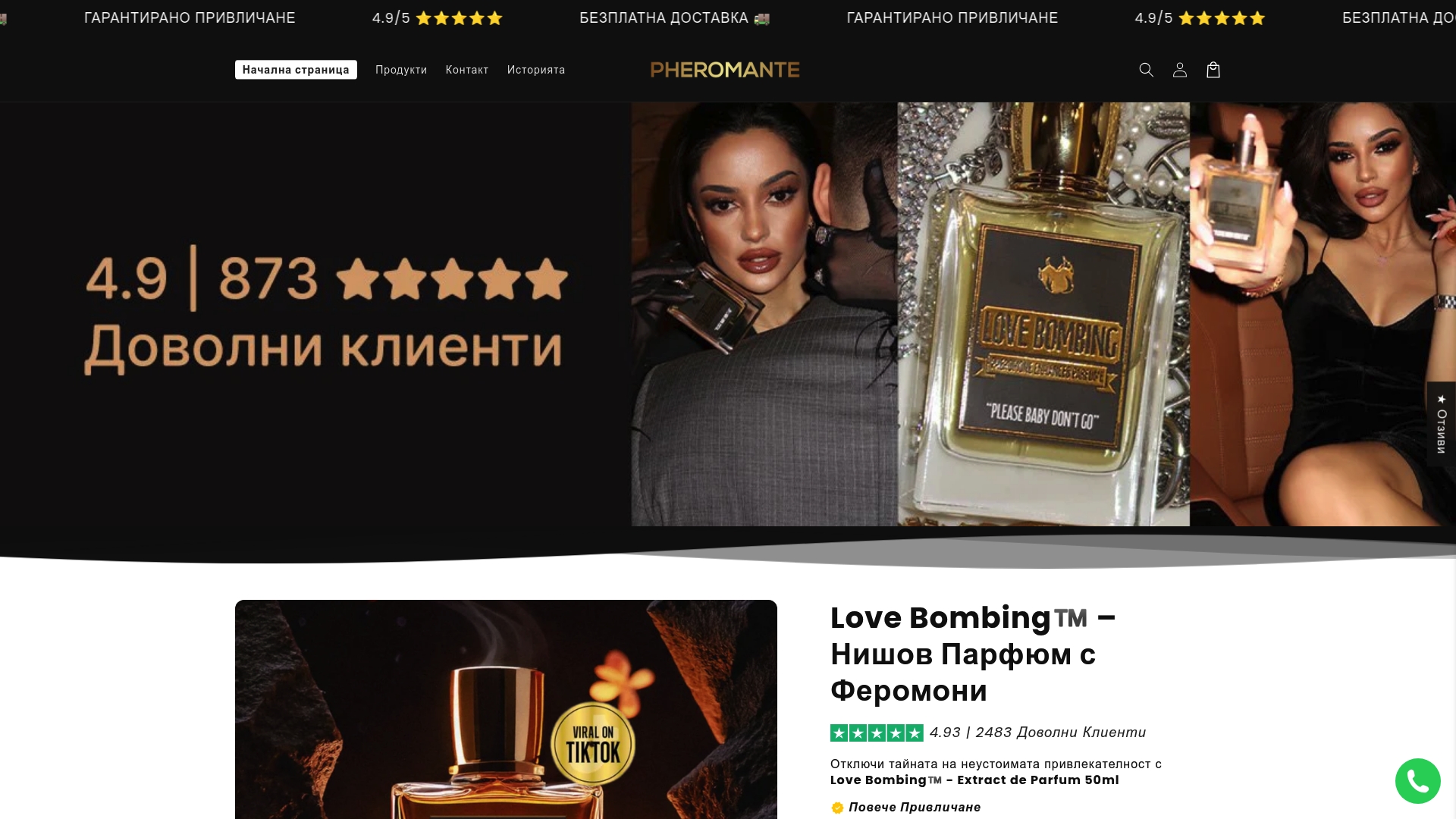
Don't let insecurity dominate your social interactions. Take advantage of the benefits of scientifically based fragrances and boost your natural charisma today. Visit pheromante.com and choose your next symbol of confidence and attractiveness. Be the master of your impact and reach a new level of social power with Pheromante® offerings.
Frequently Asked Questions
What are pheromones and what influence do they have on attractiveness?
Pheromones are chemical signaling substances that humans release to trigger specific behavioral or physiological responses in others. They play an important role in sexual attraction and social interaction.
What types of pheromones exist in humans?
There are different types of pheromones, including sexual pheromones, alarm pheromones, appeasing pheromones, and territorial pheromones. Each type performs a specific function in communication between individuals.
How can pheromone perfumes enhance attractiveness?
Pheromone perfumes contain synthetic pheromone components that can amplify subconscious signals of attractiveness when used in combination with pleasant scents. They can improve initial impressions or boost confidence in social situations.
How do pheromones affect interpersonal relationships?
Pheromones can influence social perception and interpersonal attraction, causing changes in mood and emotional reactions. They operate at a subconscious level and can play a role in building trust and intimacy between people.