


How to build a perfume identity for a confident style

Every encounter in the dynamic urban environment of Central Europe is an opportunity to showcase your individuality and confidence, and perfume is often the invisible key to a successful first impression. Myths about perfumes from ancient Egypt and Mesopotamia hinder modern choices, because the building blocks of personal style are rooted precisely in the personal signature of the scent. This material helps you understand how to build an authentic perfume identity that emphasizes your uniqueness in social situations.
Contents
- The essence of perfume identity and myths
- The role of the individual scent profile
- Key steps in choosing a unique perfume
- Pheromone perfumes and increasing attractiveness
- Common mistakes in forming a scent style
Key Takeaways
| Point | Details |
|---|---|
| Perfume as personal expression | Perfume is not just a scent, but a way of self-expression and suggests personal characteristics. |
| Individual scent profile | Every person has a unique scent profile that influences how the fragrance is perceived. |
| Choosing a perfume | Choosing a perfume is a personal process that requires research and testing of different scents. |
| Pheromones and attractiveness | Pheromone perfumes can enhance social attractiveness and improve interpersonal communication. |
The essence of perfume identity and myths
Perfume is not just a scent, but a personal signature and a means of self-expression. The history of perfume dates back thousands of years, with the first experiments discovered in ancient Egypt and Mesopotamia. Perfume has evolved from a ritual attribute to a modern tool for personal communication and style.
The essence of perfume identity lies in its multi-layered meanings:
- Emotional message
- Personality characteristic
- Non-verbal communication channel
- Psychological tool for self-confidence
Perfume identity is not just a random choice, but the result of a complex interaction between personal taste, cultural influences, and emotional attitudes. Individual fragrance can reveal different aspects of character: dynamism, elegance, mystery, or spontaneity.
There are a number of common myths that require careful debunking:
- Myth: One perfume is suitable for everyone
- Myth: The more expensive, the better
- Myth: Perfume lasts the same on everyone
- Myth: A strong scent means quality
The ancient traditions of perfumery show that choosing a scent is deeply personal and connected to individual energy. A quality perfume is chosen not because of the label or price, but because of its ability to highlight the uniqueness of the personality.
Professional tip: Experiment with different scents and let your intuition guide you in choosing a perfume that truly represents you.
The role of the individual scent profile
The individual scent profile represents a unique imprint that transforms perfume from an ordinary product into a personal message. The chemical profile of the skin is extremely personal and directly influences the final perception of the scent.
The main components of the individual scent profile include:
- Genetic predisposition
- Hormonal balance
- Skin pH level
- Lifestyle and diet
- Personal body chemistry
When creating a personal scent profile, there are several key factors that determine its uniqueness and impact. Each person has a specific skin metabolism that modifies the scent differently.
Niche perfumes for confidence offer a more personalized approach that takes into account the individual characteristics of each person. They allow for a more precise recreation of the personal scent imprint, taking into account:
- Individual skin chemistry
- Body temperature
- Metabolic processes
- Emotional state
Professional perfumers understand that scent is not just a mechanical blending of ingredients, but a complex art that requires an understanding of personal identity.
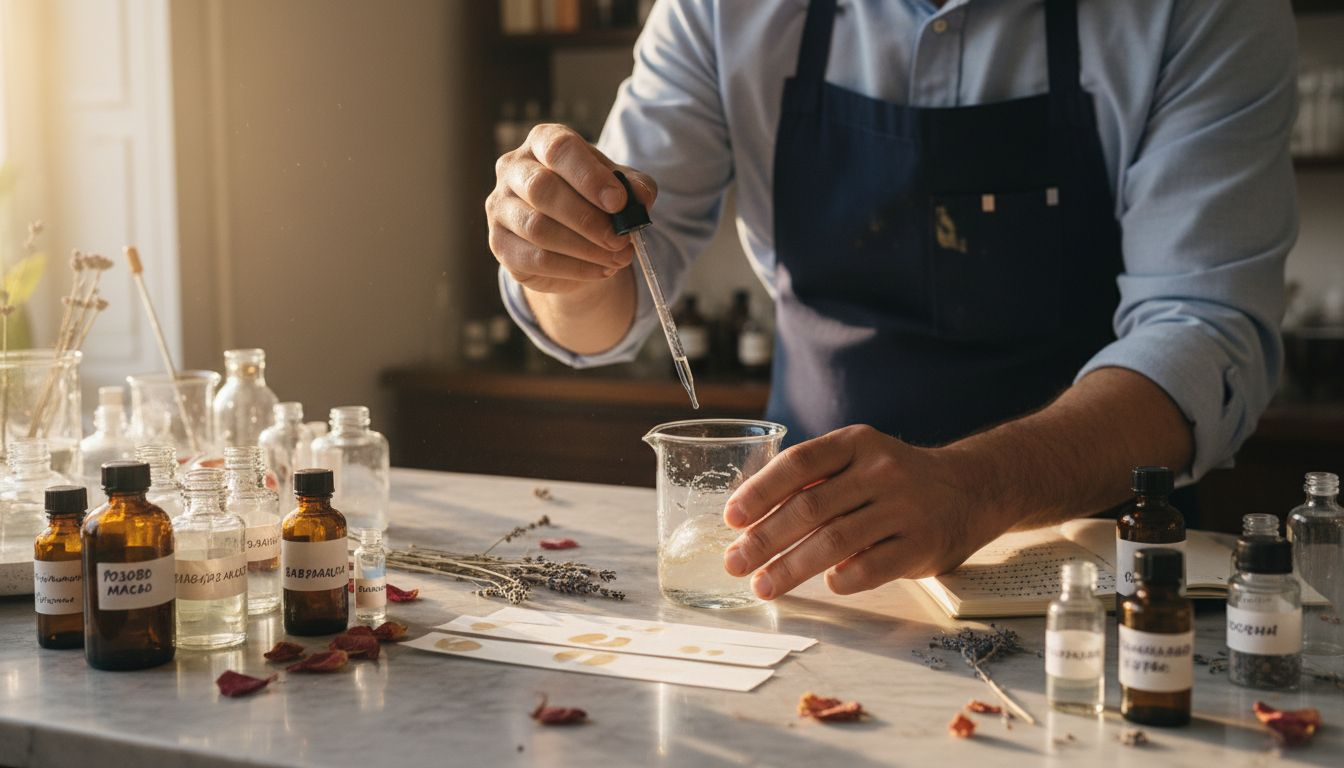
Here is a comparison between niche and mass-market perfumes for a better understanding of their advantages:
| Characteristic | Niche perfumes | Mass-market perfumes |
|---|---|---|
| Level of uniqueness | High, personalized | More unified, familiar |
| Main ingredients | Often rare, natural | Widely available, synthetic |
| Suitable for | Personal expression | Everyday use |
| Price | Higher | Affordable |
| Fragrance longevity effect | Deeper and more complex | Stable, lighter |
Professional tip: Experiment with different scents in the morning and evening to discover how they change on your skin and create a truly unique perfume profile.
Key steps in choosing a unique perfume
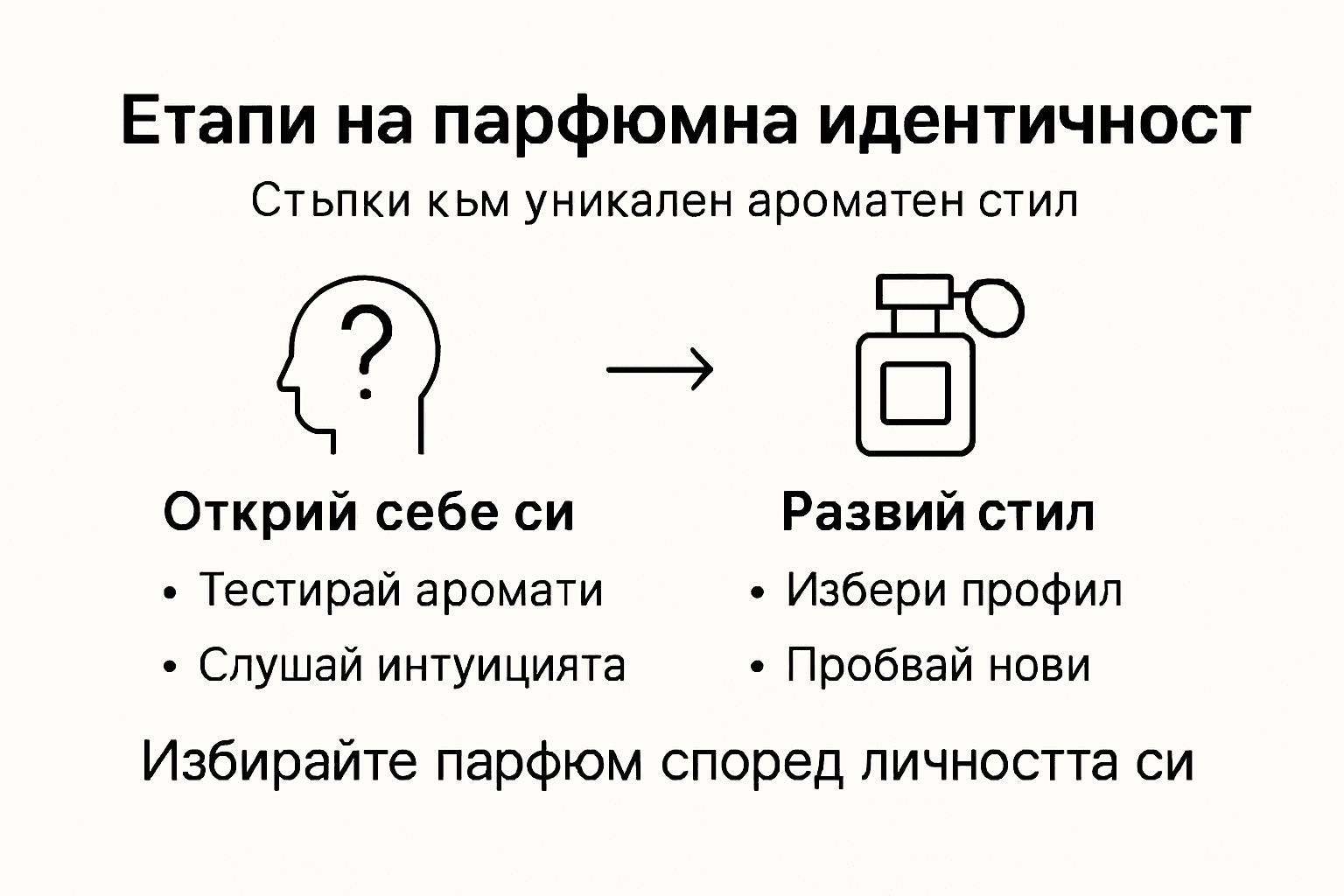
Choosing a perfume is an intimate process that requires patience, research, and self-knowledge. Testing scents is a key moment in this process, allowing one to discover the true essence of the perfume.
The main steps in choosing a unique perfume include:
- Determining the personal scent profile
- Researching different perfume groups
- Testing on the skin
- Observing the development of the scent
- Evaluating longevity and sillage
Professional perfumers recommend following a systematic approach when choosing. The scent profile should align with personal taste, lifestyle, and individual preferences.
The steps for choosing the perfect perfume are detailed:
- Identifying favorite scent families
- Testing perfumes at different times of the day
- Observing the skin's reaction
- Checking the longevity and development of the scent
- Assessing the context and occasion for use
When choosing, it is important to pay attention to the nuances and subtle details that make a perfume truly unique. Not only the body's chemistry, but also the emotional connection to the scent determines its authenticity.
Professional tip: Don't rush the purchase – allow yourself time to get to know the scent by testing it for at least a week before making a final decision.
Pheromone perfumes and increasing attractiveness
Pheromones are chemical signals that play an exceptional role in interpersonal communication. Scientific research on pheromones reveals their potential to influence mood, emotions, and social attractiveness.
The main characteristics of pheromone perfumes include:
- Subconscious effect on receptors
- Enhancement of natural personal chemistry
- Increase in social confidence
- Improvement of non-verbal communication
- Creation of a subtext of sexual attractiveness
In the creation of pheromone perfumes, two main approaches are used: synthetic and natural pheromone compositions, each with its own advantages and specificities.
Professional studies reveal different levels of effectiveness of pheromone perfumes:
- Psychological impact
- Unconscious attraction
- Boosting self-esteem
- Improving social interactions
- Creating a first impression
In addition, experts emphasize that the effect of pheromones is highly individual and depends on personal biochemistry, genetics, and emotional state.
Professional tip: Choose pheromone perfumes that match your individual chemistry and highlight your natural attractiveness, without appearing overly intrusive.
Common mistakes in forming a scent style
Perfume identity requires precision and understanding. Classic perfume mistakes can compromise the overall perception of your style and scent.
The most common mistakes include:
- Too much perfume
- Improper storage
- Rubbing the scent
- Lack of an individual approach
- Using one scent for all occasions
When forming a scent style, there are specific challenges that require a careful approach. Professional recommendations for perfuming reveal the complexity of this process.
The main mistakes people make can be categorized according to their essence:
- Technical application errors
- Psychological selection errors
- Aesthetic inconsistencies
- Storage errors
- Communication inaccuracies
Each of these categories presents specific challenges that require a professional approach and an understanding of personal scent identity. Perfume is not just an accessory, but an extension of your personality.
The following table summarizes the most common perfume mistakes and appropriate solutions:
| Mistake | Consequences | Professional solution |
|---|---|---|
| Excessive application | Intrusive scent, discomfort | Apply moderately |
| Rubbing the scent | Change in structure | Spray, do not rub |
| Improper storage | Quick spoilage, fading | Keep in a cool, dark place |
| Selection without consideration | Lack of individuality | Test beforehand |
Professional tip: Experiment carefully and let your intuition guide you in creating a truly unique scent profile.
Discover your unique perfume style for more confidence
The path to building your perfume identity is a true art that requires a personal approach and an understanding of your individual chemistry and preferences. If you're looking to emphasize your uniqueness and boost your attractiveness and self-confidence with the help of scents, check out Pheromante® Collections | Long-lasting and Magnetic Fragrances with niche perfumes, designed to work in sync with your personal scent profile.
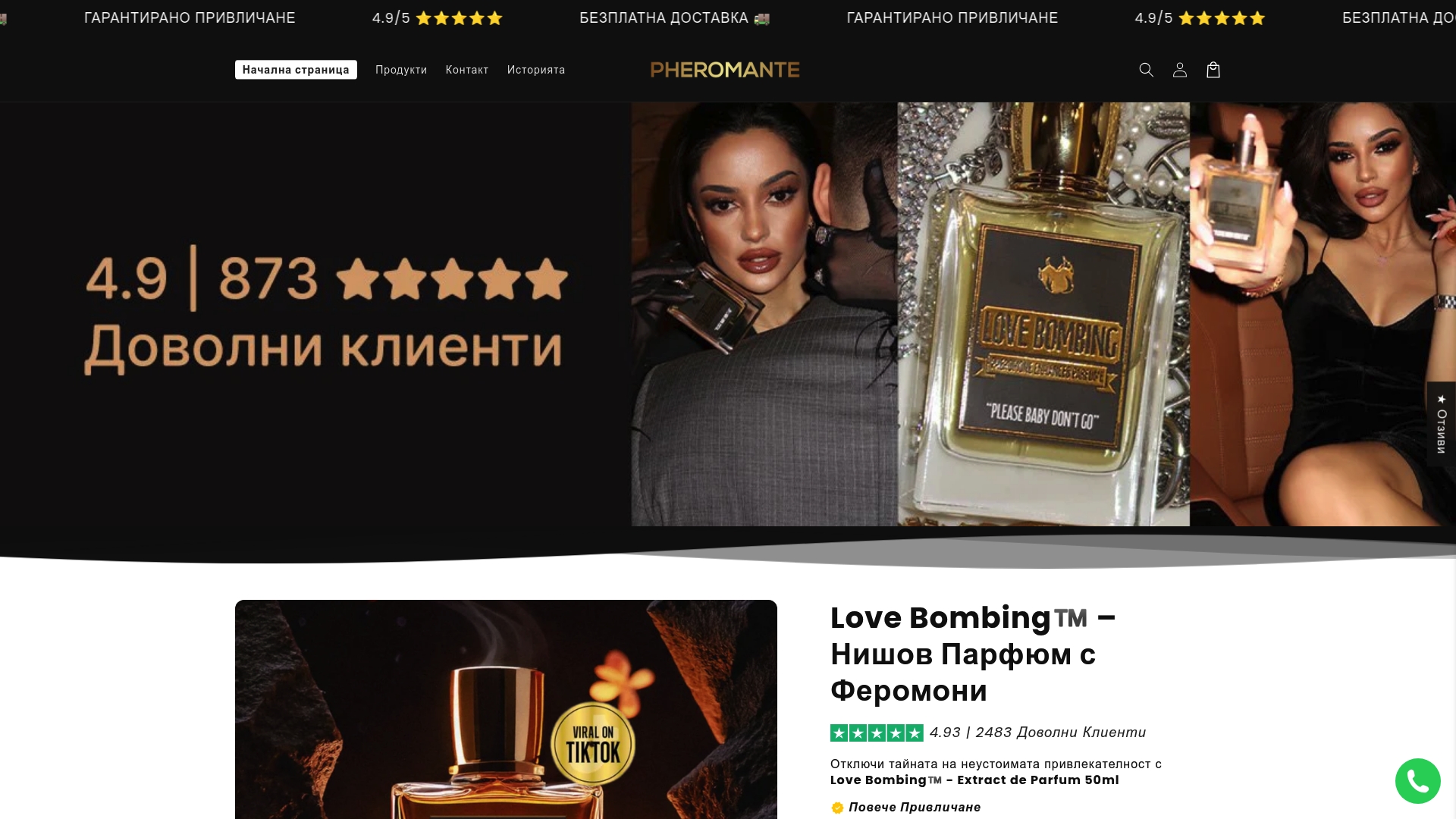
Don't let your perfume be just a superficial addition to your daily life. Choose a scent that speaks for you and energizes you for every day. Visit pheromante.com now and discover quality pheromone perfumes that will help you express your confident style and feel more self-assured in any social situation. Take the first step towards building your unique scent signature today!
Frequently Asked Questions
What is perfume identity?
Perfume identity is a unique scent imprint that expresses a person's personality and emotions through fragrance.
How to choose the right perfume for our individual identity?
Choosing a perfume involves determining your personal scent profile, researching different perfume groups, and testing the fragrance on your skin to observe its development.
What are the main myths associated with perfumes?
Some of the common myths include that one perfume is suitable for everyone and that the more expensive the perfume, the better it is.
What mistakes should I avoid when using perfume?
Common mistakes include applying too much perfume, improper storage of the fragrance, and rubbing the fragrance after application.