


What is perfumery – Influence and significance for personal style

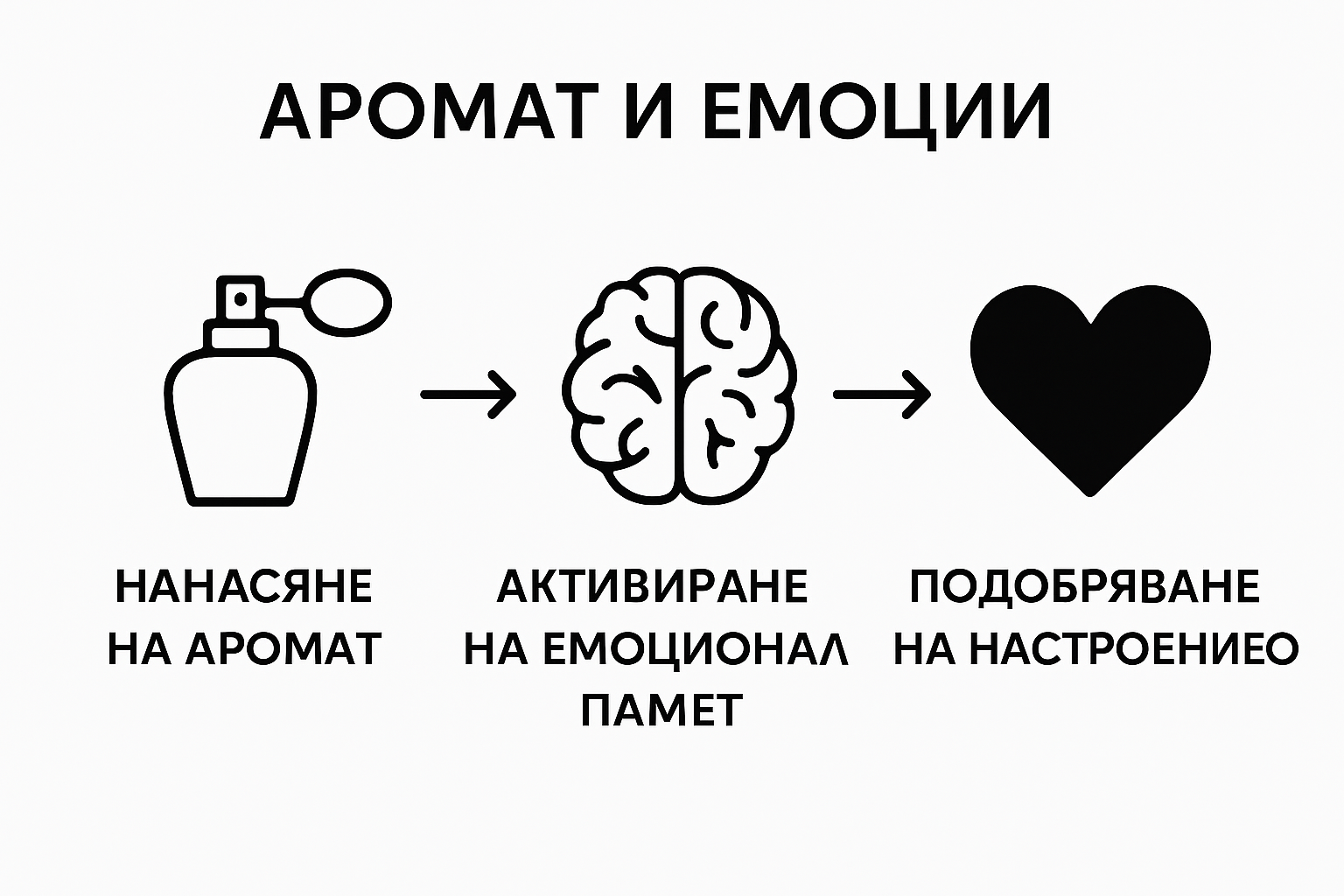
Perfumes have the power to change our mood and self-confidence, and more than 80% of people choose a fragrance based on the memories and emotions it evokes. Perfumery is an art where science and creativity intertwine to create something unique and memorable for each individual. Here you will learn what distinguishes different types of perfumes and how pheromones influence the choice and effect of fragrances.
Contents
- The Essence of Perfumery and Its Role
- Types of Perfumes and Key Differences
- The Process of Creating Fragrances
- The Role of Pheromones in Niche Perfumery
- Common Misconceptions and Risks When Choosing a Perfume
Key Takeaways
| Point | Details |
|---|---|
| Essence of Perfumery | Perfumery is an art that combines chemistry, aesthetics, and culture, focused on creating aromatic compositions. |
| Types of Perfumes | Perfumes are classified by concentration and aromatic family, with each category offering unique sensory experiences. |
| Creation Process | Perfume development is a creative and scientific process that requires an individual approach and high precision. |
| Role of Pheromones | Pheromones play an important role in communication and can influence social interactions and emotional perception. |
The Essence of Perfumery and Its Role
Perfumery represents a complex art and scientific discipline that encompasses the creation, development, and production of aromatic compositions. This profession includes activities related to the creation of fragrances and products necessary to satisfy specific needs, which go beyond the simple production of perfumes.
The modern perfumer is simultaneously an artist, a scientist, and a cultural ambassador. Their work requires in-depth knowledge of chemistry, biology, psychology, and aesthetics. The profession is gaining increasing interest, with an emphasis on popularizing and building an educational ecosystem for olfactory talents.
Perfume compositions are the result of precisely mixing various aromatic ingredients that create unique sensory experiences. These include:
- Natural extracts from plants and flowers
- Synthetic fragrances
- Essential oils
- Fixatives and stabilizers
Each perfume composition is created with the aim of evoking specific emotions, memories, and sensations that go beyond a simple scent and deeply touch the individual's personal sphere.
Types of Perfumes and Key Differences
Perfumes are extremely diverse and can be classified according to various criteria – concentration of the fragrance, composition, origin, and purpose. People often choose scents that connect them with deep emotional experiences.
The main types of perfumes according to their concentration are:
- Perfume: The strongest concentration, with 20-40% perfume oil
- Eau de Parfum: 15-20% concentration, lighter than classic perfume
- Eau de Toilette: 5-15% concentration, lighter and more accessible
- Eau de Cologne: 2-5% concentration, the lightest form
Another important classification includes aromatic families: floral, citrus, woody, oriental, and fresh. Each aromatic family has unique characteristics and evokes different emotional reactions. Modern perfumes are increasingly experimenting with unconventional combinations that create strong sensory experiences.
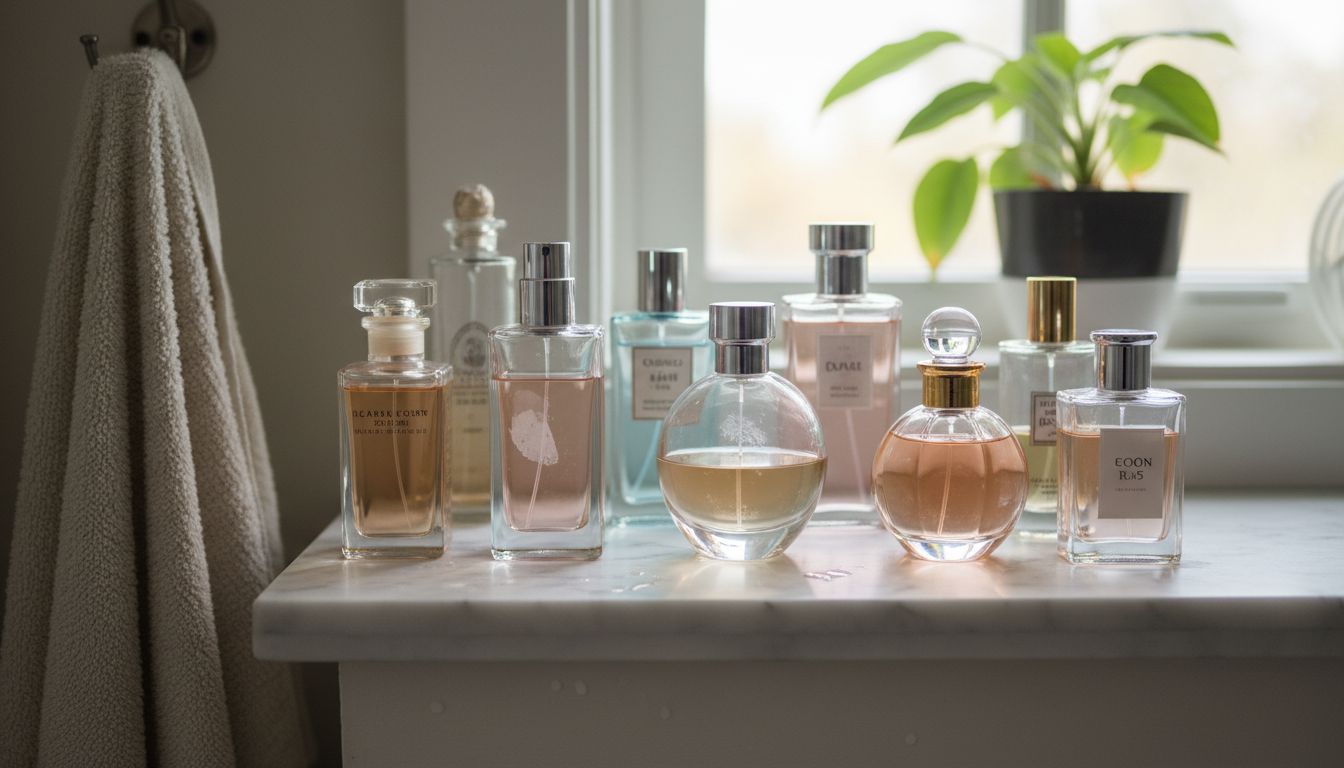
In addition to traditional classifications, there are also modern categories such as pheromone perfumes, which are designed to enhance natural human attraction through special ingredients. Collections with magnetic fragrances offer innovative solutions that transcend the classical understanding of perfumery and focus on the psychological impact of scents.
The Process of Creating Fragrances
Creating a perfume is a complex creative and scientific process that requires high expertise and precision. Artificial intelligence is increasingly entering the perfume industry, changing the way new fragrances are developed, by assisting perfumers through the analysis of consumer preferences.
The main stages in creating a perfume include:
- Research and Concept: Defining the target group and the desired emotional impact
- Ingredient Selection: Choosing natural and synthetic fragrances
- Composition: Mixing different notes into a harmonious structure
- Top notes (initial impressions)
- Middle notes (essence of the fragrance)
- Base notes (long-lasting and persistent)
Perfumers use complex blending techniques, applying advanced algorithmic approaches to fragrance personalization that integrate psychological profiles and individual preferences.
Modern perfumery combines traditional craftsmanship with innovative technologies. Experts experiment with new ingredients, research molecular interactions, and create increasingly personalized and intelligent aromatic compositions that transcend classical notions of perfumery art.
The Role of Pheromones in Niche Perfumery
Pheromones are chemical signals that play a crucial role in communication between individuals and can elicit subconscious emotional and physiological reactions. Research on perfume use shows that they are much more than an aesthetic choice and can improve self-confidence and mood.
The main characteristics of pheromone perfumes include:
- Biological Impact: Direct influence on subconscious reactions
- Communicative Function: Transmitting nonverbal signals of attractiveness
- Psychological Impact: Increasing confidence and social adaptability
Scientific studies reveal complex patterns of consumer preferences related to individual attitudes and social characteristics, with pheromone perfumes serving as an innovative tool for social interaction.
Modern niche perfumery experiments with precisely synthesized pheromone complexes that aim to enhance natural human communication. These avant-garde fragrances not only perfume but also create an invisible bridge between the subconscious, emotions, and social relationships.
Common Misconceptions and Risks When Choosing a Perfume
Choosing a perfume is an extremely personal process that hides a number of potential pitfalls and unexpected challenges. People often make wrong choices due to a lack of understanding of their individual characteristics.
The most common misconceptions when choosing a perfume include:
- More is better: Overly strong scents can be irritating and off-putting
- One scent is enough: Different situations require different perfumes
- Expensive brands are always better quality: Price does not guarantee good quality
- Testing on skin immediately gives an accurate result: Scents change over the first few hours
The main risks of incorrect perfume selection are related to:
- Allergic reactions
- Discomfort in social situations
- Loss of self-confidence
- Incorrect perception by others
One of the most essential tips is to test the perfume on your own skin for at least a few hours, observing how the scent develops and changes. Each person has a unique chemical composition that affects the final perception of the perfume.
Discover the power of your personal style with the magnetic fragrances of Pheromante.com
Perfumery is the key to expressing individuality and creating an unforgettable impression. The article highlights how important the choice of the right fragrance is and how it affects confidence and social interaction. Often, choosing a perfume can be confusing and lead to unwanted reactions or a lack of effect. This is where specialized pheromone fragrances offer a unique solution with a proven impact on attractiveness and self-confidence.

Take control of your charm and emotional impact with our selection of Pheromante® Collections | Long-lasting and Magnetic Fragrances. Here you will find innovative pheromone perfumes designed to enhance your natural charisma and turn every outing into a captivating experience. Don't miss the opportunity to transform your personal style with fragrances that speak louder than words. Start now at https://pheromante.com and take advantage of guaranteed quality and free shipping.
Frequently Asked Questions
What is the role of perfumery in personal style?
Perfumery plays an important role in personal style by adding a unique scent that can enhance individuality and leave a lasting impression.
What are the main components of perfumes?
The main components of perfumes include natural plant extracts, synthetic fragrances, essential oils, fixatives, and stabilizers, which together create unique aromatic compositions.
What types of perfumes exist and what is the difference between them?
The main types of perfumes include perfume, eau de parfum, eau de toilette, and eau de cologne, which differ in the concentration of aromatic oils and the intensity of the scent.
How do I choose the right perfume for myself?
The right perfume is chosen by testing the scent on your own skin and observing how it develops over time. It is important to consider personal preferences and emotional reactions to the scent.