


What Is Eau de Parfum: A Complete Guide for Smart Wearers

TL;DR:
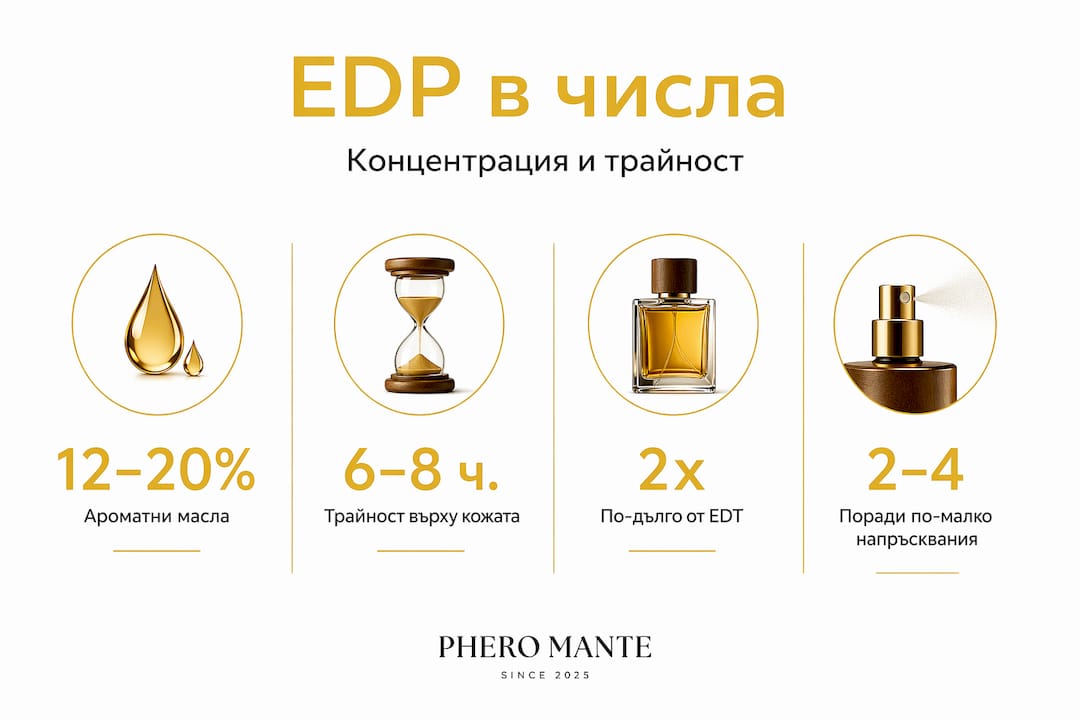
- Eau de parfum contains 12–20% aromatic oils and lasts about 6–8 hours on the skin. This concentration provides a rich sillage and a deeper background to the fragrance, suitable for everyday use and special occasions. The choice of EDP depends on skin type and preferences, with proper application and its physical properties yielding a better and longer-lasting sensation.
The term eau de parfum is everywhere, but rarely does anyone explain it honestly. You buy a perfume, the bottle says "EDP" and you assume it's just the more expensive version. Wrong. What eau de parfum actually is is defined by a specific concentration of aromatic oils, which dictates how it smells, how long it lasts, and when to wear it. This article breaks down everything from chemical composition to practical myths, so you can make informed decisions next time you're standing in front of a display.
Table of Contents
- Key Takeaways
- What is Eau de Parfum: Concentration and Chemical Composition
- Difference Between EDP, EDT, and Parfum in Practice
- How to Choose the Right Eau de Parfum for You
- Myths About Eau de Parfum You Shouldn't Believe
- The Economic Logic of Eau de Parfum
- My Personal Perspective on Eau de Parfum
- Discover Your EDP with Pheromante
- Frequently Asked Questions
Key Takeaways
| Point | Details |
|---|---|
| Oil Concentration | EDP contains 12–20% aromatic oils, making it more long-lasting than EDT. |
| Longevity on Skin | Eau de parfum lasts an average of 6–8 hours, while EDT lasts 3–4 hours. |
| Test on Skin | Your skin's pH balance changes the fragrance, so blotters lie. |
| Not Just for Evening | EDP with the right intensity works perfectly as a daytime perfume too. |
| Economic Logic | Fewer sprays for a longer effect makes EDP more cost-effective than EDT in the long run. |
What is Eau de Parfum: Concentration and Chemical Composition
Eau de parfum is a perfumery form with a concentration between 12% and 20% of aromatic oils, dissolved in alcohol and a minimal amount of water. This concentration is the key difference between EDP and other forms on the market.
Alcohol acts as a carrier: it disperses the fragrance molecules around you and then evaporates, leaving the oils to linger on the skin. A small amount of water softens the transition and makes the fragrance feel more velvety on the first spray. The result is a perfume with sufficient projection without being aggressive.
The comparison with other forms looks like this:
| Type | Oil Concentration | Longevity |
|---|---|---|
| Eau de Cologne (EDC) | 2–4% | 1–2 hours |
| Eau de Toilette (EDT) | 5–15% | 3–4 hours |
| Eau de Parfum (EDP) | 12–20% | 6–8 hours |
| Parfum / Extrait | 20–40% | 8–12 hours |
EDP contains a higher percentage of base notes such as musk, amber, and vanilla, which evaporate slowly and retain the scent long after the top notes have faded. This is why the sillage of EDP is richer and more stable than EDT, even with the same number of sprays.
Difference Between EDP, EDT, and Parfum in Practice
Knowing the concentrations is one thing. How they feel on the skin is entirely another.
With EDT, the top notes (citrus, green accords, light spices) are prominent but fade in about an hour. The base remains, but it's subtle. With EDP, the heart notes unfold more fully: cardamom, rose, patchouli, tobacco have enough "weight" to linger and tell the perfume's story.
Pure Parfum (Extrait) is something else entirely. It is concentrated, almost oily, and projects the fragrance close to the skin. It's not better, just more intimate and suitable for people who want their scent to be discovered only at close range.
Practical Use Cases for EDP:
- Workday with air conditioning (the fragrance lasts without reapplication)
- After-work meeting (you go directly from office to restaurant)
- Autumn and winter (heavier base notes sound natural in cold temperatures)
- Special occasion where you want a noticeable but not overwhelming sillage
Professional Tip: If you're torn between EDP and EDT of the same fragrance, opt for the EDP and spray one less time. You get longer longevity with a more delicate start.
Eau de parfum is the most versatile choice for everyday use precisely because it balances intensity and accessibility without going to the extremes of Extrait.
How to Choose the Right Eau de Parfum for You
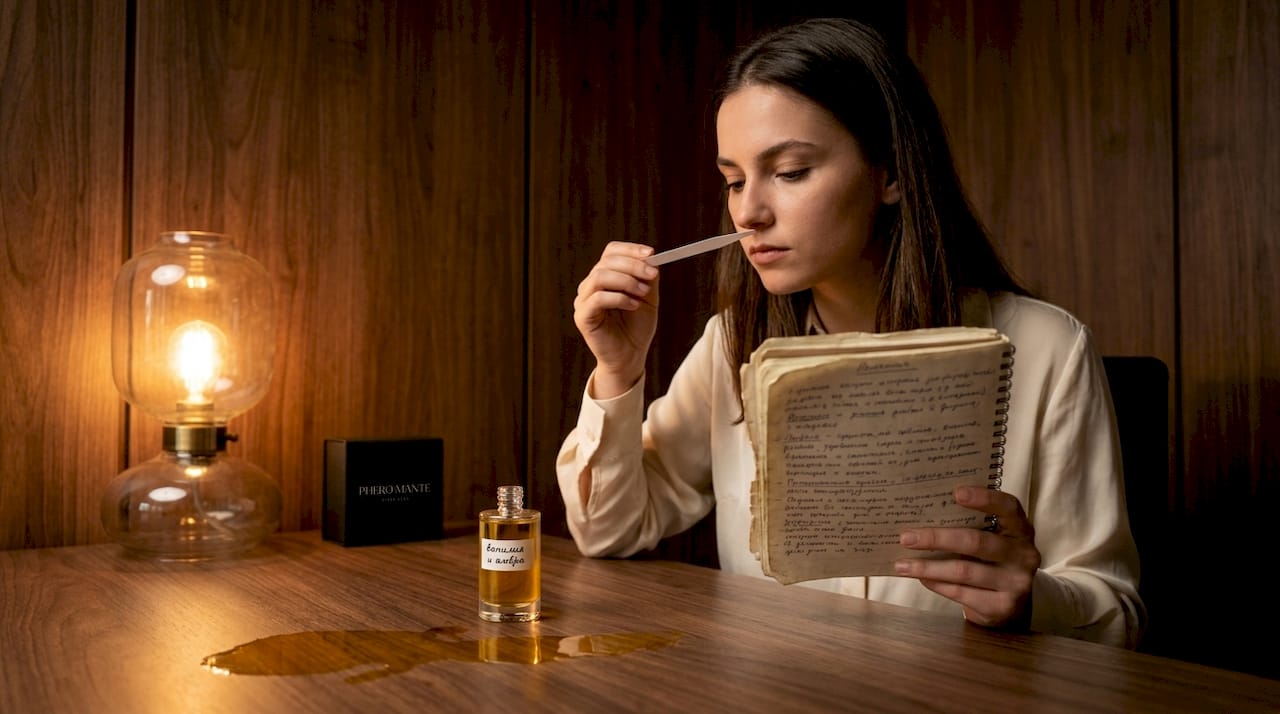
Choosing an EDP isn't just a matter of "do I like the smell on the strip." You need to know your skin.
Your skin's pH balance interacts with the fragrance and literally changes how the perfume develops. Skin with higher acidity accelerates the evaporation of top notes. Drier skin retains less fragrance overall. Therefore, testing directly on the skin is the only way to know if a given EDP works for you.
Practical steps for choosing:
- Spray your wrist or the inside of your elbow and wait 20 minutes before deciding.
- Don't test more than 3 fragrances at once; olfactory fatigue skews judgment.
- Think about the season: summer EDPs with citrus and marine notes are more discreet, while autumnal smoky gourmands are richer.
- Connect your choice to the occasion: for choosing a perfume according to your identity, you need a fragrance that tells your story, not just smells pleasant.
Professional Tip: Apply EDP immediately after a shower on slightly damp skin. Hydration holds the fragrance molecules longer and enhances the sillage without extra sprays.
Myths About Eau de Parfum You Shouldn't Believe
Many people avoid EDP with the argument "too heavy for daytime." This is a myth, not a fact.
A common misconception is that higher concentration automatically means a better fragrance. Reality: wearing comfort and personal preference carry more weight than the number on the bottle. Some people find EDT more comfortable precisely because the scent is lighter.
Here's what's not true about EDP:
- Myth: EDP is only for evening. Fact: with one spray instead of three, EDP works great in the morning.
- Myth: more oils = better scent. Fact: the wrong EDP for your skin smells worse than the perfect EDT.
- Myth: EDP is for special occasions. Fact: EDP offers a lasting sillage without being overwhelming, making it ideal for daily work.
A scent people remember you by isn't necessarily the strongest. It's a scent with character.
Managing intensity is simple: fewer sprays, a greater distance from the skin, and focusing on pulse points (wrists, neck, behind the ears) instead of clothes.
The Economic Logic of Eau de Parfum
Many people look at the price of the bottle and stop there. The smarter question is: how much does it cost you per application?
- Compare the number of sprays. EDP requires 2 sprays for 6–8 hours of effect. EDT requires 3–4 sprays for 3–4 hours.
- Calculate the life of the bottle. 50ml EDP with 2 sprays a day gives about 250 uses. The same 50ml EDT with 4 sprays gives 125 uses.
- Add longevity. Longer longevity means less frequent application and actually a cheaper price per "fragrance day."
The result is categorical: if the price of EDP is 20–30% higher than EDT of the same volume, but lasts twice as long with less quantity, EDP is the more economical choice. Especially for niche fragrances, where the quality of raw materials also determines the concentration.
Viewed this way, avoiding common perfume selection mistakes also includes understanding the value behind the price, not just reacting to the short-term price shock.
My Personal Perspective on Eau de Parfum
I've spent enough time with fragrances of all concentrations to know one thing: EDP is the format perfumers have seriously considered.
Extrait is sometimes too intimate and lacks projection. EDT fades exactly when the heart notes should speak. EDP is the space where a smoky gourmand with tobacco, cardamom, and caramel can unfold properly: the top notes greet you, the base stays with you hours after you've left the room.
When I choose a fragrance, I test the personal identity behind it. Not whether it smells good on the strip, but what story it tells on my skin. EDP provides enough depth to tell that story fully.
I advise you not to stop at one spray on a blotter. Wear the fragrance for a whole day. Only then will you know if it's yours.
— Stoyan
Discover Your EDP with Pheromante
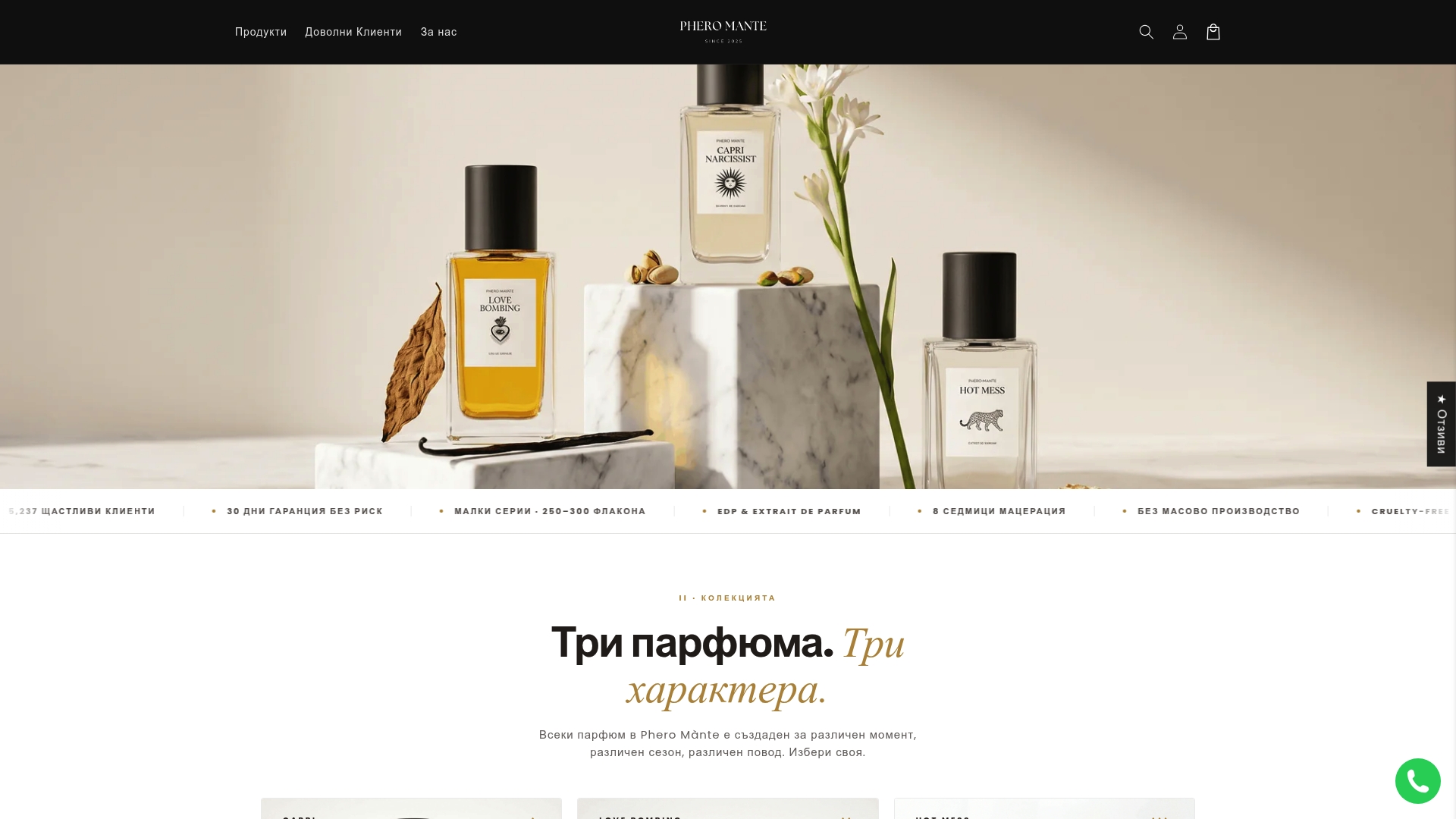
If all the above has made you want to try an EDP with real depth, Pheromante does just that. Niche fragrances, made in Italy, with honest pricing: €60 for 50ml EDP. Love Bombing is a smoky gourmand with cardamom, tobacco, and caramel, crafted exactly in that EDP space I talked about. Hot Mess and Capri Narcissist are for those who seek character over mass appeal. Fragrances with an olfactory pyramid, Perfumer's Memoir, and a story behind every note. Explore Pheromante's collection and find the scent you want to be remembered by.
Frequently Asked Questions
What does eau de parfum mean?
Eau de parfum (EDP) is a perfumery form with a 12–20% concentration of aromatic oils. It lasts an average of 6–8 hours on the skin.
Is eau de parfum better than eau de toilette?
It depends on your preference. EDP is longer-lasting and more intense, but wearing comfort is more important than concentration.
How long does eau de parfum last?
EDP lasts an average of 6–8 hours, while EDT lasts 3–4 hours, and pure Parfum (Extrait) about 8–12 hours.
How to apply eau de parfum correctly?
Spray onto pulse points (wrists, neck, behind the ears) from a distance of 15–20 cm. Do not rub, allow the oils to bind with the skin naturally.
Eau de parfum or eau de toilette for everyday use?
EDP works great for daily use with one or two sprays. It is a versatile choice for people who don't want to reapply and seek longevity effortlessly.