


Longevity of perfume – Why it's key for selection

Just one wrong choice can cut your fragrance short by hours – in fact, over 60% of people have no idea how to extend the longevity of their favorite perfume. Longevity is not just a matter of brand or concentration, but a result of many factors such as skin type, climate, and application method. Discover how these details make the difference between instant disappearance and a memorable, long-lasting scent.
Contents
- What does perfume longevity mean
- Main types of fragrance longevity
- Factors that affect longevity
- Practical tips for a longer-lasting effect
- Common mistakes when using perfume
Key Takeaways
| Point | Details |
|---|---|
| Perfume Longevity | Depends on the concentration of perfume oils, skin type, and external conditions. |
| Perfume Categories | Main categories include perfume, eau de parfum, eau de toilette, and cologne, with varying longevity and concentration. |
| Longevity Factors | Temperature, hydration, and skin pH balance significantly affect fragrance longevity. |
| Common Mistakes | Applying to dry skin and excessive rubbing of perfume reduce its effectiveness. |
What does perfume longevity mean
Perfume longevity represents the ability of a fragrance to retain its scent on the skin or clothes for a certain period of time. It is a complex characteristic that depends on many factors such as the concentration of perfume oils, chemical composition, and individual skin characteristics.
In determining longevity, there are several main categories: short longevity (1-3 hours), medium longevity (4-6 hours), and long-lasting longevity (7-12 hours). These intervals indicate how long a given fragrance maintains its intensity and distinctiveness. The quality of the perfume determines its staying power and its ability to reveal different notes through various phases of evaporation.
Longevity is affected by a number of factors such as:
- Skin type (oily, dry, normal)
- Body temperature
- Hydration level
- Atmospheric conditions
- Concentration of perfume oils
There are four main concentrations that directly determine longevity: parfum (20-40% oils), eau de parfum (15-20%), eau de toilette (5-15%), and eau de cologne (2-4%). The higher the percentage of concentration, the longer-lasting the fragrance will be.
Pro tip - Longevity Secret: Apply perfume to hydrated skin, focusing on pulse points such as wrists, neck, and behind the ears, to achieve maximum longevity and fragrance development.
Main types of fragrance longevity
The world of perfumes reveals different levels of longevity, which are directly related to the concentration of aromatic oils. Professional classifications of perfumes reveal four main categories that determine the intensity and duration of the fragrance.
The first and most concentrated category is perfume (Parfum), which contains 20-40% aromatic oils. This type has the highest longevity - about 8-12 hours, with the fragrance remaining intense and discernible throughout the day. Parfum is the most expensive and luxurious form, offering the fullest development of the aromatic composition.
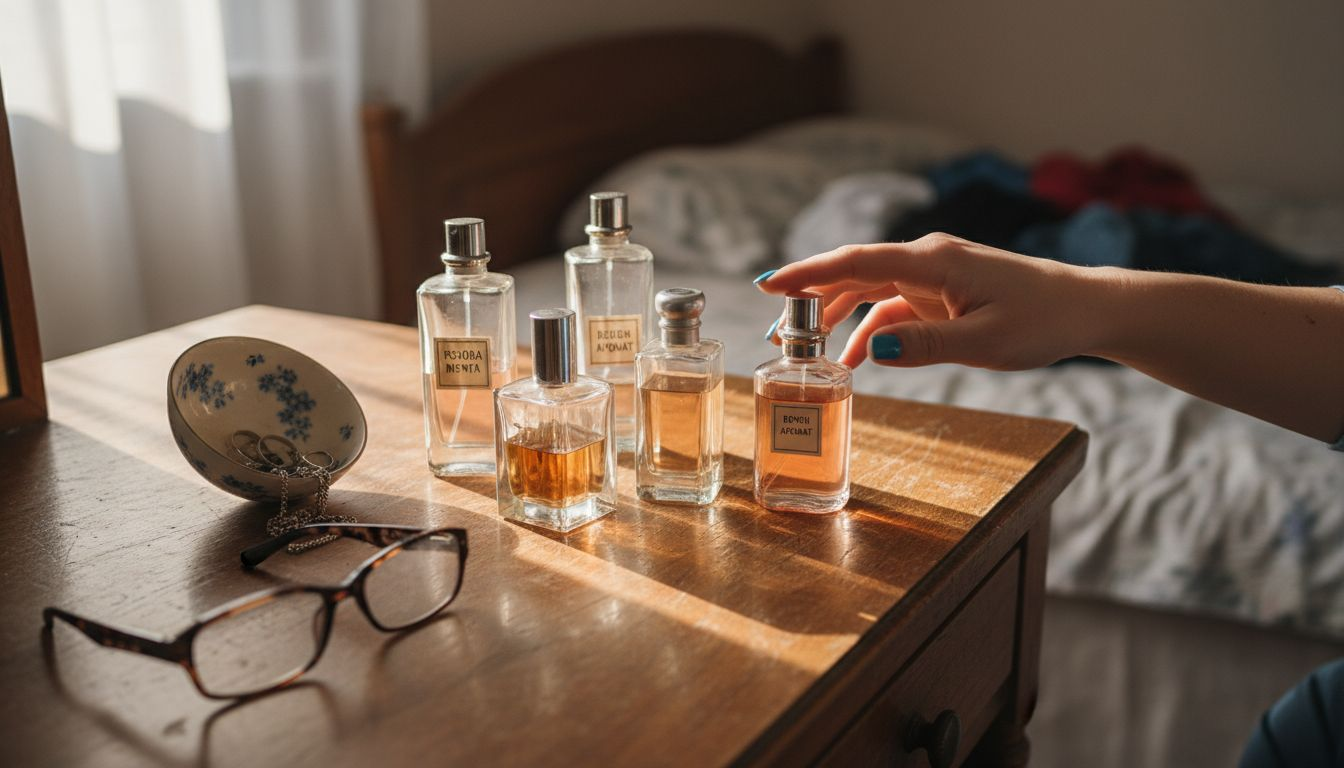
The second type is eau de parfum, which contains 15-20% aromatic oils and provides longevity between 6-8 hours. This type is more accessible than pure perfume, but still offers a strong and lasting scent suitable for weekdays and formal occasions.
The third category is eau de toilette, containing 5-15% aromatic oils, with a longevity of about 3-5 hours. It is the most popular form among consumers due to its lower price and light texture, making it suitable for everyday use.
The last category is eau de cologne, which has the lowest concentration - 2-4% aromatic oils and consequently the shortest longevity of 1-3 hours. This type is lightly refreshing and is recommended primarily for the summer season or for people who prefer more delicate fragrances.
The following table presents a comparison between the main types of perfumes according to concentration, longevity and purpose:
| Perfume Type | Oil Concentration | Approximate Longevity | Suitable for |
|---|---|---|---|
| Perfume | 20-40% | 8-12 hours | Evenings, special occasions |
| Eau de Parfum | 15-20% | 6-8 hours | Formal and weekdays |
| Eau de Toilette | 5-15% | 3-5 hours | Everyday use |
| Eau de Cologne | 2-4% | 1-3 hours | Summer, sports, refreshment |
Pro tip - Selection Strategy: Choose the perfume concentration according to the occasion, budget, and your personal preferences, keeping in mind that higher concentration means a longer-lasting and more intense fragrance.
Factors that affect longevity
The longevity of a perfume is a complex process, depending on many individual and external factors. Perfume and individuality play a significant role in determining how a given fragrance will behave on the skin.
One of the most important internal factors is skin type. Oily skin tends to retain fragrance longer because it contains more sebum, which acts as a natural "fixative" for perfume molecules. Dry skin, on the other hand, absorbs the fragrance more quickly, shortening its longevity. People with normal skin type generally achieve the most balanced results in terms of fragrance retention.
External temperature conditions are a second key factor. Heat increases the evaporation of perfume molecules, making the fragrance more intense, but at the same time shortening its longevity. Cold temperatures slow down molecular movement, meaning slower diffusion and a longer-lasting fragrance.
Two other significant factors are skin hydration and pH balance. Well-hydrated skin retains perfume molecules better, while dehydrated skin can quickly dissipate the fragrance. Individual pH balance directly affects the chemical reaction between the perfume and the skin, which can enhance or weaken certain notes.
Main factors affecting perfume longevity:
- Individual skin pH balance
- Hydration level
- Body temperature
- Atmospheric conditions
- Concentration of perfume oils
- Chemical composition of the fragrance
Pro tip - Secret to perfect longevity: Before applying perfume, be sure to hydrate your skin with a neutral scented lotion, which will create an ideal base for longer fragrance retention.
This table summarizes the influence of various personal and external factors on fragrance longevity:
| Factor | How it affects | Example strategy |
|---|---|---|
| Skin type | Oily skin retains fragrance longer | Choose lighter fragrances for oily skin |
| Temperature | Heat accelerates evaporation | Use more intense perfumes in winter |
| Hydration | Dry skin reduces longevity | Always hydrate before application |
| pH balance | Can change notes | Test the fragrance on your skin |

Practical tips for a longer-lasting effect
Strategies for extending perfume longevity require a precise approach and an understanding of the basic principles of fragrance application. The correct technique can significantly prolong the time during which you will perceive and disseminate the desired fragrance.
The first and most important step is skin preparation. Before applying perfume, be sure to hydrate your skin with a neutral, unscented lotion. Oily surfaces create a better base for retaining perfume molecules, which means a longer-lasting and more intense fragrance. Avoid products with overly strong scents that may conflict with your chosen perfume.
The second key point is proper application. Focus on the so-called “pulse points” of the body – wrists, neck, behind the ears, elbows, and behind the knees. These areas have a higher body temperature, which activates and diffuses the perfume notes. It is important not to rub the fragrance, but gently pat or spray it, as vigorous rubbing can change the chemical structure and disrupt the delicate balance of the scent.
The third strategy involves proper storage of perfumes. Keep them away from direct sunlight, heat, and humidity, which can degrade their delicate chemical structure. Ideal storage is in a closed cabinet at room temperature, away from windows and heat sources. Some professionals even recommend refrigerating the most expensive and delicate fragrances.
Key practices for longer-lasting perfume:
- Hydrate skin before application
- Apply to "pulse points"
- Spray from a distance of 15-20 cm
- Avoid rubbing wrists together
- Store in a cool, dark place
- Use a scented lotion from the same range
Pro tip - Secret of professionals: Apply perfume immediately after showering on slightly damp skin, which helps seal in moisture and creates a better base for fragrance retention.
Common mistakes when using perfume
Improper use of perfume can drastically reduce the quality and longevity of the desired fragrance. Most people don't even realize that their daily habits can destroy the magic of perfume in the first few minutes after application.
One of the most common mistakes is applying to dry skin. Lack of hydration means that perfume molecules quickly disappear without being able to unleash their full potential. Hydrated skin creates an ideal base, retaining the fragrance longer and allowing for a more complete development of the perfume composition.
The second serious problem is excessive rubbing of perfume after application. When you rub your wrists or neck, you actually destroy the delicate structure of the perfume molecules, leading to a loss of refinement and intensity. The correct approach is a light pat or allowing the perfume to dry naturally on the skin.
A third common mistake is over-applying too much perfume. An overly strong fragrance can not only be irritating to others, but also disrupt the delicate perfume composition. The true art lies in the light, barely perceptible trail that intrigues and attracts attention.
Common mistakes when using perfume:
- Applying to dry skin
- Rubbing the perfume
- Spraying too heavily
- Storing in an unsuitable place
- Mixing different fragrances
- Applying to clothes
Pro tip - Secret of perfume experts: Before applying perfume, hydrate your skin with a neutral lotion and apply from a distance of 15-20 cm, using a light pat instead of rubbing.
Choosing a long-lasting perfume is the key to your confidence and attractiveness
Understanding the importance of longevity in perfumes is the first step towards making the right choice that will highlight your personal style and make you unforgettable throughout the day. If you have faced the problem of your perfume quickly fading or not revealing its full aromatic potential, perfumes with higher concentration and proper skin care can be your solution. Our selection of Pheromante® Collections | Long-lasting and Magnetic Fragrances offers a rich variety of niche perfumes that meet the needs for intensity and longevity.
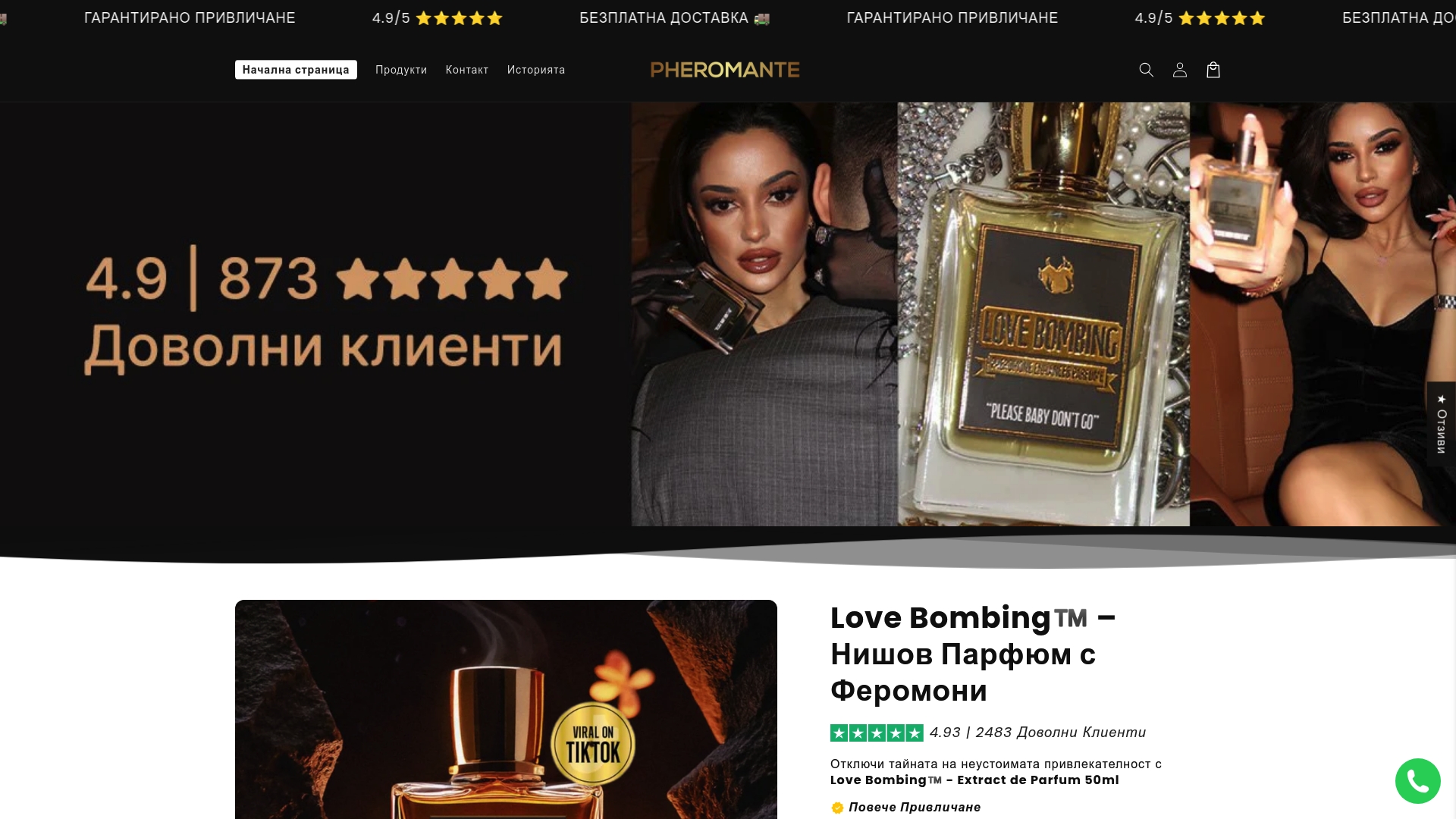
Don't risk losing the magic of your fragrance after the first few hours. Visit pheromante.com and take advantage of products with guaranteed quality, which combine unique pheromone formulas and long-lasting durability. Add the power of magnetic scents to your style now and impress those around you from the very first application.
Frequently Asked Questions
What is perfume longevity and how is it measured?
Perfume longevity represents the time during which the fragrance remains discernible on the skin, and is usually measured in hours. It can be short (1-3 hours), medium (4-6 hours), or long-lasting (7-12 hours), depending on the concentration of perfume oils.
How does the concentration of perfume oils affect longevity?
The concentration of perfume oils plays an important role in the longevity of the fragrance. For example, parfum (20-40% oils) has the highest longevity of 8-12 hours, while eau de cologne (2-4% oils) has the shortest longevity of 1-3 hours.
What factors affect fragrance longevity?
Fragrance longevity is affected by many factors, including skin type, body temperature, skin hydration, and atmospheric conditions. Oily skin, for example, retains fragrance longer compared to dry skin.
How can I increase the longevity of my perfume?
To increase perfume longevity, hydrate your skin before application, apply perfume to pulse points, and avoid rubbing it in. Also, proper storage of perfume is key to preserving its quality.